

What to See
4 highlights📍 Tap the pin for directions
Bávaro Beach
One of the most beautiful stretches of beach in the Caribbean — white sand, calm turquoise water, and easy beach bar access. Most all-inclusive resorts have direct beach access. Non-resort visitors can access via public beach entry points.
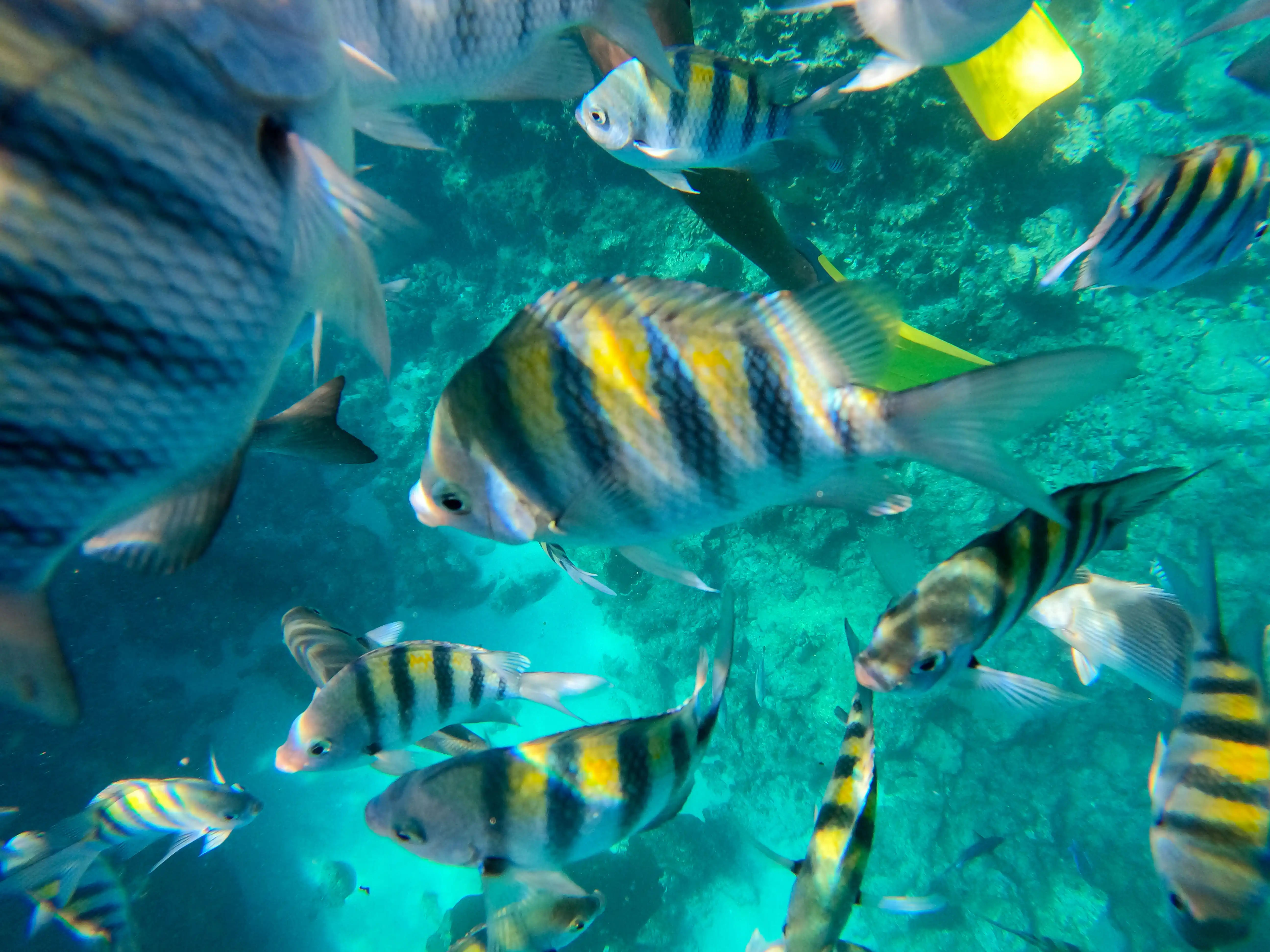
Snorkeling & Scuba
The waters off Punta Cana are warm and clear. Several operators run half-day catamaran snorkel tours that are well-organized and reasonably priced. Book through your hotel concierge or a reputable operator in town to avoid beach-hustle tours.
Catamaran Day Trips
A popular and genuinely enjoyable way to spend a day — most include snorkeling stops, an open bar, and a beach lunch. Quality varies significantly between operators; read recent reviews.
Indigenous Eyes Ecological Reserve
A network of 12 freshwater lagoons hidden in the jungle near Punta Cana. A surprisingly peaceful escape from the resort strip — hire a guide through the reserve's official visitor center.
Eat & Drink
go-to orderMamajuana
The Dominican Republic's signature drink — rum, red wine, and honey steeped with a house blend of tree bark and herbs, sold in every souvenir shop as a bottle-and-bark kit to make at home. Most resorts pour a version at the bar; it's sweet, a little medicinal-tasting, and considered a natural aphrodisiac by locals, whether or not you believe that part. Worth trying a shot before dismissing it as a tourist gimmick.
Presidente
The Dominican Republic's everyday beer and the default order at any beach bar in Bávaro — a crisp, cold pilsner that comes in a distinctive short green bottle, usually served in an ice-filled sleeve to keep it cold in the heat. Simple, reliable, and everywhere.
Mofongo
Mashed fried green plantain, seasoned with garlic and often mixed with pork cracklings or served alongside seafood — a hearty, savory staple you'll find on menus well beyond the resort buffets. Order it with camarones (shrimp) or the catch of the day for the version most restaurants in the Punta Cana area do best.
Pescado con Coco
Fresh whole fish or fillets simmered in a coconut-milk sauce, a coastal specialty that shows up on menus around the east coast given the easy access to fresh catch. It's lighter than the heavier stewed dishes found inland and pairs well with rice and tostones.
Dulce de Coco
A dense, chewy coconut candy made by slow-cooking shredded coconut with sugar and cinnamon — sold at markets and small bakeries around Punta Cana and a common homemade treat across the Dominican Republic. Sweet, simple, and a good pick if you want something you can pack to take home.
Skip This
3 highlightsThe 'Special Invitation' Meeting
Some resorts — including larger all-inclusive properties — invite guests to an exclusive 'welcome meeting' or 'property tour.' These are timeshare presentations in disguise. Staff are trained not to say the word 'timeshare.' Any unsolicited invitation to a 'meeting' or 'special breakfast' should be politely declined unless purchasing a timeshare is the actual goal.
Unofficial Taxis at the Airport
Arrivals at Punta Cana airport are met by aggressive taxi and transfer touts. Use only official airport taxis (fixed-rate signs at the exit), pre-booked transfers, or Uber. Do not follow anyone who approaches you inside the terminal.
Sargassum Season (May–August)
From May through August, seaweed (sargassum) can wash up on the beaches in significant quantities, making swimming less enjoyable and the beach less pleasant. The best times to visit are April–May (early season) and September–November when the weather is still warm and the seaweed is less prevalent.
Stay Safe
4 highlightsResort Zones Are Generally Safe
The tourist zone around Bávaro is well-patrolled and relatively safe for visitors. Standard precautions apply: don't display expensive items on the beach, use resort safes for passports and valuables.
Ocean Currents
The waters along the east coast can have strong currents, especially on windier days. Check with beach staff before swimming and observe flag warnings — they are posted for good reason.
Water & Food Safety
Drink bottled or filtered water exclusively — resort tap water is not reliable for drinking. Street food from busy, high-turnover stalls is generally fine; avoid anything that looks like it's been sitting out in the heat.
Uber Driver Cash Demands
Some Uber drivers may accept your ride request, then demand you cancel it and pay them an inflated cash fare instead. This happens occasionally. If it does, cancel, rate accordingly, and request another ride.
Getting Around
2 optionsRent a Car or Use Uber
Punta Cana is spread out, with the airport, resort zones, and town not being walkably connected. For non-all-inclusive stays, having a car or reliable Uber access is near-essential.
Negotiate Before You Ride
Metered taxis don't exist here — always negotiate a fixed fare before getting in. Ask your hotel for the going rate to common destinations so you have a baseline. Uber is available in the area and generally cheaper.
Where to Stay
3 neighborhoods📍 Tap the pin for directions
Non-All-Inclusive: AC Hotel Punta Cana
Conveniently located near the airport. No direct beach access, but Uber to the beach is easy and affordable. A solid choice for independent travelers who prefer not to be locked into a resort.
All-Inclusive: Ocean Blue & Sand
A well-regarded all-inclusive with better-than-average food quality for the category. The beach access and facilities are consistently well-maintained.
All-Inclusive: Iberostar Properties
Iberostar maintains consistent standards across their Punta Cana properties. A reliable choice, though Ocean Blue is preferred for food quality. Both properties may extend timeshare presentation invitations — see Skip This section.
When to Go
2 seasonsDry Season (December–April)
Warm, sunny, and low-humidity with daytime temps around 84–88 °F (29–31° C) and minimal rainfall. This is peak season — resorts run at full capacity, prices climb, and Bávaro Beach is at its most crowded, especially around Christmas, New Year's, and February school-break weeks. Skies are reliably clear and the sea is calm.
Wet Season (May–November)
Hot and humid with short, heavy afternoon downpours that usually clear quickly, plus a real hurricane risk from August through October. Sargassum seaweed also tends to pile up on the beaches from May through August. Hotel rates drop noticeably and the resorts are far less crowded.
Shoulder Window (April–May & Nov)
The stretch just before or after peak season often delivers the best of both worlds — still-warm weather, thinner crowds, lower rates, and the sargassum surge hasn't fully arrived yet (or has mostly cleared). A smart pick for travelers wanting good weather without December pricing.
What to Know
5 essentialsVisa Requirements: US & EU Passport Holders
US and EU citizens can enter the Dominican Republic visa-free for tourism, with an initial stay of up to 30 days that's extendable to a maximum of 120 days total. Every visitor is now required to complete the E-Ticket entry form online at eticket.migracion.gob.do before arrival — it covers both the customs and immigration declarations that used to be paper forms, and airlines will check for it at check-in. Fill it out within 72 hours of your flight and keep a screenshot of the confirmation on your phone.
Passport Validity — A Temporary Exception
Through December 31, 2026, the Dominican Republic is waiving the usual 6-month passport validity requirement for US, EU, UK, and a number of other nationalities — technically, your passport only needs to remain valid through the length of your stay. Even so, it's worth traveling with at least 6 months of validity remaining if your passport allows it, since exceptions like this can be rolled back with little notice, and you don't want to be the one caught off guard at check-in.
Tipping Around Punta Cana
A 10% service charge is often already added to restaurant bills at resorts here, so check before tipping extra — if it's not included, an additional 5-10% for good service is appreciated. Tour guides and drivers on excursions typically expect $5-10 per day, and it's customary to hand tips over in cash rather than adding them to a card payment. Housekeeping and bellhops appreciate a few dollars per day or per bag.
Dominican Peso — Cash Still Helps
The official currency is the Dominican Peso (DOP), though US dollars are widely accepted at resorts, hotels, and tourist-facing restaurants around Punta Cana. You'll generally get better value paying in pesos for local shops, street food, and taxis rather than dollars, since informal exchange rates at the till tend to favor the vendor. Cards are accepted at hotels and larger restaurants, but it's smart to carry small peso bills for tips, taxis, and vendors who don't take cards.
Laws Worth Knowing Before You Go
Drug penalties in the Dominican Republic are strict and enforced, so don't assume a relaxed resort atmosphere means relaxed law enforcement. Nude or topless sunbathing is illegal outside of designated resort areas, even though it's common to see it there — keep it to the areas where it's actually sanctioned. It's also a good habit to carry a photocopy of your passport's ID page, since police checkpoints are common on highways between towns and officers may ask to see identification.
Community Tips
1 tipsIf you're on a tight budget, the public beach at El Cortecito in Bávaro has beach bars, food vendors, and a lively local scene — without a resort wristband required.