

What to See
4 highlights📍 Tap the pin for directions
Cable Car to Pico Isabel de Torres
The teleferíco climbs to the peak of Pico Isabel de Torres, offering sweeping views over Puerto Plata and the coastline. A Christ the Redeemer-style statue marks the summit, and the botanical garden at the top is worth a slow walk.
Fortaleza San Felipe & La Puntilla Park
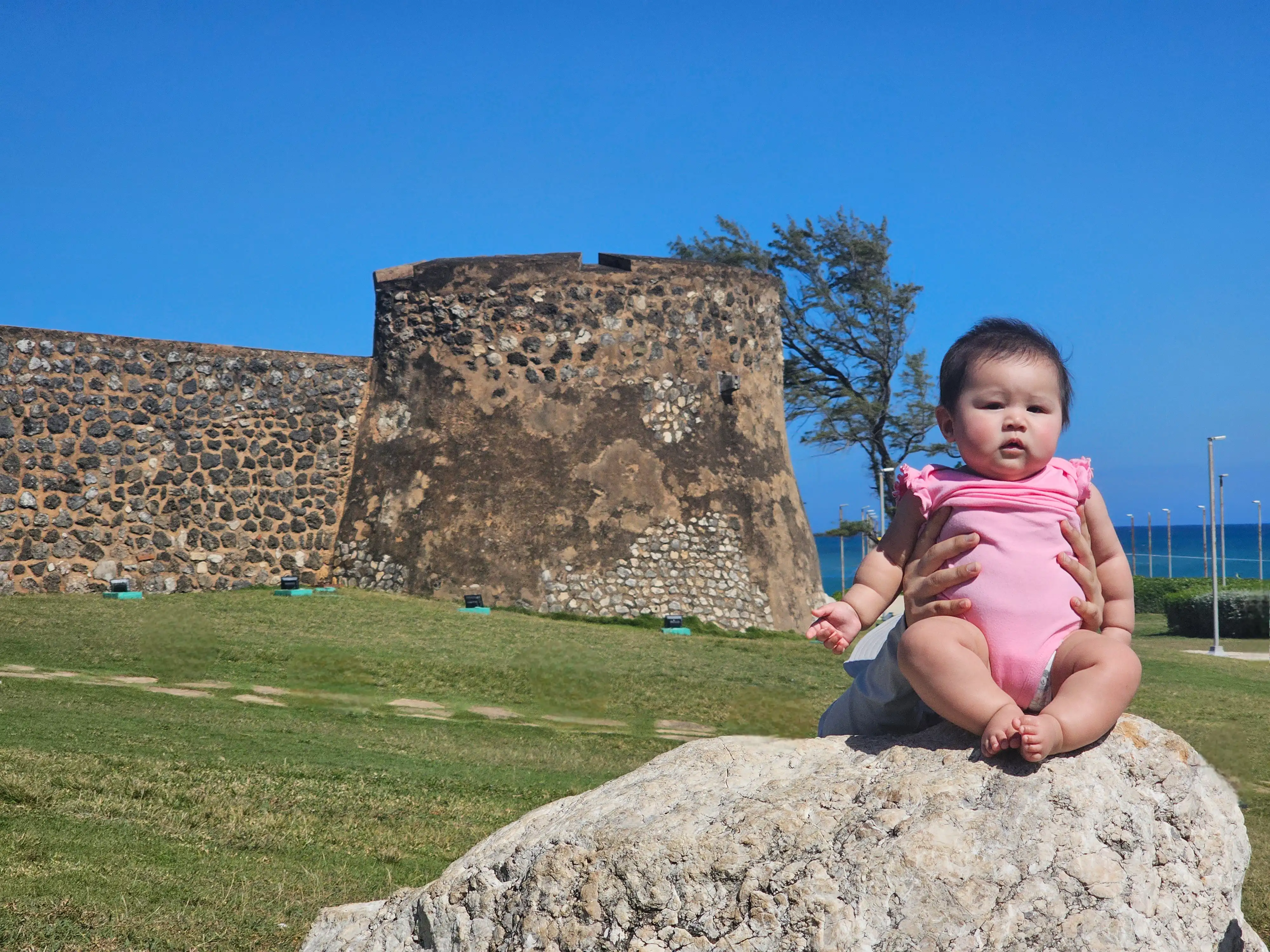
The oldest standing fort in the Americas, built in the 16th century to defend against pirates. La Puntilla Park surrounding it is a pleasant waterfront area. Horse-drawn carriage rides through the Centro Histórico often include a stop here.
Horse-Drawn Carriage Through Centro Histórico
A popular and genuinely charming way to see the Victorian-era gingerbread architecture of Puerto Plata's historic center. Negotiate a fixed price before boarding.
Cabarete & Kite Surfing
About 20km east of Puerto Plata, Cabarete is one of the world's top kite surfing destinations. Even without participating, the beach is lively and the town has a good backpacker energy with decent restaurants.
Eat & Drink
go-to orderMamajuana
A Dominican infusion of rum, red wine, and honey steeped with tree bark and herbs — traditionally believed to have medicinal and even aphrodisiac properties. In Puerto Plata it's often poured as a complimentary after-dinner digestif at local restaurants or offered as a welcome drink at all-inclusive resorts. It's sweet, strong, and worth sipping slowly rather than shooting.
Presidente
The Dominican Republic's everyday beer and the default order at any beach bar or comedor in Puerto Plata — a crisp, cold pilsner in a distinctive short green bottle, usually served in an ice-filled sleeve to keep it cold in the heat. It's cheap when bought right: grab it at a local supermarket rather than a tourist-area shop or resort bar, where the markup can be significant (see Stay Safe for the specifics).
Sancocho & La Bandera Dominicana
Sancocho — a thick stew of multiple meats, root vegetables, and plantain — is the Dominican Republic's national dish, usually saved for weekends and family gatherings. Day-to-day, the more common order is "la bandera" (the flag): white rice, red beans, and stewed meat, the standard Dominican lunch plate found at any comedor (local eatery) in Puerto Plata.
Fresh Seafood on the Malecón
Puerto Plata's oceanfront boulevard has simple seafood shacks serving whole fried fish, grilled lobster, and pescado con coco (fish in coconut sauce) — a north-coast specialty that leans on the region's coconut groves. Go for the plainer, family-run spots along the Malecón rather than the resort seafood buffets for fresher, better-value plates.
Habichuelas con Dulce
A sweet, creamy dessert made from red beans cooked down with coconut milk, cinnamon, and sugar until it becomes a thick, porridge-like pudding — a Dominican Lenten tradition eaten especially around Easter. It sounds unusual to most first-time visitors but has a genuinely rich, spiced flavor. Ask if it's in season at a local comedor rather than expecting to find it year-round.
Skip This
1 highlightsOverpriced Beer Near Tourist Areas
Presidente, the local beer, is excellent and cheap — but small shops near tourist areas often mark up prices significantly. Buy beer at a supermarket to pay local prices. 180–240 DOP ($3–4 USD) per bottle is more reasonable than 300 DOP ($5 USD).
Stay Safe
2 highlightsPuerto Plata Is Generally Safe for Tourists
The main resort areas and Centro Histórico are safe during the day. Standard precautions apply after dark — use taxis rather than walking unfamiliar streets.
Ocean Conditions on the North Coast
The Atlantic-facing north coast can have stronger waves and currents than the calmer Caribbean south. Check conditions before swimming, especially if not at a supervised beach.
Getting Around
1 optionsTaxis for Getting Around
Puerto Plata is spread out enough that taxis are useful for reaching the cable car, fort, and beaches. Negotiate fares upfront.
Where to Stay
2 neighborhoods📍 Tap the pin for directions
All-Inclusive: Iberostar Waves Puerto Plata
A highly recommended all-inclusive on the north coast. Consistent quality, excellent beach access, and well-maintained facilities.
In-Town Accommodation
Staying in Puerto Plata town center allows for walking to restaurants, exploring the historic streets, and a more authentic local experience. The beach is a short taxi ride away.
When to Go
2 seasonsDry Season (Dec–Apr)
Puerto Plata's best window — sunny, relatively low humidity, and the calmest seas for beach days and kite surfing over at Cabarete. Temperatures stay warm and pleasant at 81–84 °F (27–29° C), and this stretch overlaps with peak tourist season, so all-inclusive resorts fill up and prices are highest around Christmas, New Year, and into February.
Wet / Hurricane Season (May–Nov)
Warmer, more humid, and prone to sudden downpours, with the Atlantic hurricane season posing a real risk from August through October specifically. Storms can disrupt flights and beach conditions on short notice during this window, though many days are still sunny and pleasant. Lower hotel rates and thinner crowds reward travelers who keep an eye on the forecast and stay flexible.
What to Know
5 essentialsVisa Requirements: US & EU Passport Holders
US and EU citizens can enter the Dominican Republic visa-free for tourism, with an initial stay of up to 30 days that's extendable to a maximum of 120 days total. Every visitor is now required to complete the E-Ticket entry form online at eticket.migracion.gob.do before arrival — it covers both the customs and immigration declarations that used to be paper forms, and airlines will check for it at check-in. Fill it out within 72 hours of your flight and keep a screenshot of the confirmation on your phone.
Passport Validity — A Temporary Exception
Through December 31, 2026, the Dominican Republic is waiving the usual 6-month passport validity requirement for US, EU, UK, and a number of other nationalities — technically, your passport only needs to remain valid through the length of your stay. Even so, it's worth traveling with at least 6 months of validity remaining if your passport allows it, since exceptions like this can be rolled back with little notice, and you don't want to be the one caught off guard at check-in.
Tipping Around Puerto Plata
A 10% service charge is often already added to restaurant bills at resorts here, so check before tipping extra — if it's not included, an additional 5-10% for good service is appreciated. Tour guides and drivers on excursions typically expect $5-10 per day, and it's customary to hand tips over in cash rather than adding them to a card payment. Housekeeping and bellhops appreciate a few dollars per day or per bag.
Dominican Peso — Cash Still Helps
The official currency is the Dominican Peso (DOP), though US dollars are widely accepted at resorts and tourist-facing restaurants around the North Coast. You'll generally get better value paying in pesos for local shops, street food, and taxis rather than dollars, since informal exchange rates at the till tend to favor the vendor. Cards are accepted at hotels and larger restaurants, but it's smart to carry small peso bills for tips, taxis, and vendors who don't take cards.
Laws Worth Knowing Before You Go
Drug penalties in the Dominican Republic are strict and enforced, so don't assume a relaxed resort atmosphere means relaxed law enforcement. Nude or topless sunbathing is illegal outside of designated resort areas, even though it's common to see it there — keep it to the areas where it's actually sanctioned. It's also a good habit to carry a photocopy of your passport's ID page, since police checkpoints are common on highways between towns and officers may ask to see identification.
Community Tips
1 tipsThe local Presidente beer is genuinely good — a clean, refreshing lager that pairs well with the heat. Get it cold at a supermarket for the best experience and price.