

What to See
6 highlights📍 Tap the pin for directions
Old Havana (La Habana Vieja) — UNESCO World Heritage
The historic center of Havana is a UNESCO World Heritage Site — a dense grid of Spanish colonial architecture, baroque churches, plazas, and faded mansions in various states of elegant decay. Plaza de la Catedral, Plaza de Armas, and Plaza Vieja are the main squares and the social heart of old Havana. Walk all four main plazas in a loop — each has a different character and a different history. The streets between them are lined with restored colonial buildings, art galleries, small museums, and street musicians playing son and salsa.
The Tram: There is a charming open-top tourist tram that circuits through Old Havana — a relaxed way to cover the main plazas and streets of La Habana Vieja without walking everything in the heat. It departs from the waterfront near the cruise terminal and makes several stops. A good orientation on your first day.
The Malecón — Havana's Soul
The 8km seawall boulevard running along Havana's waterfront — Avenida Carlos Manuel de Céspedes — is where Havana's social life plays out. Fishermen cast lines from the wall, couples sit facing the sea, musicians gather in the evenings, and waves crash over the road in rough weather. Walking the Malecón at sunset or after dark, with the lights of Havana behind you and the Straits of Florida ahead, is one of the great urban walks in the Americas. The full walk from Old Havana to Vedado takes about 90 minutes at a relaxed pace.
Castillo de los Tres Reyes del Morro (Havana Castle)
The fortress guarding the entrance to Havana Bay — built by the Spanish in 1589 — sits on a headland across the water from Old Havana and offers extraordinary views of the city skyline and harbour. The evening cannon ceremony at 9pm, where soldiers in 18th-century costume fire a ceremonial cannon, has been a daily Havana tradition for centuries and draws a crowd. The fortress is reached by tunnel under the harbour or by taxi across the bay.
Monumento al Che Guevara
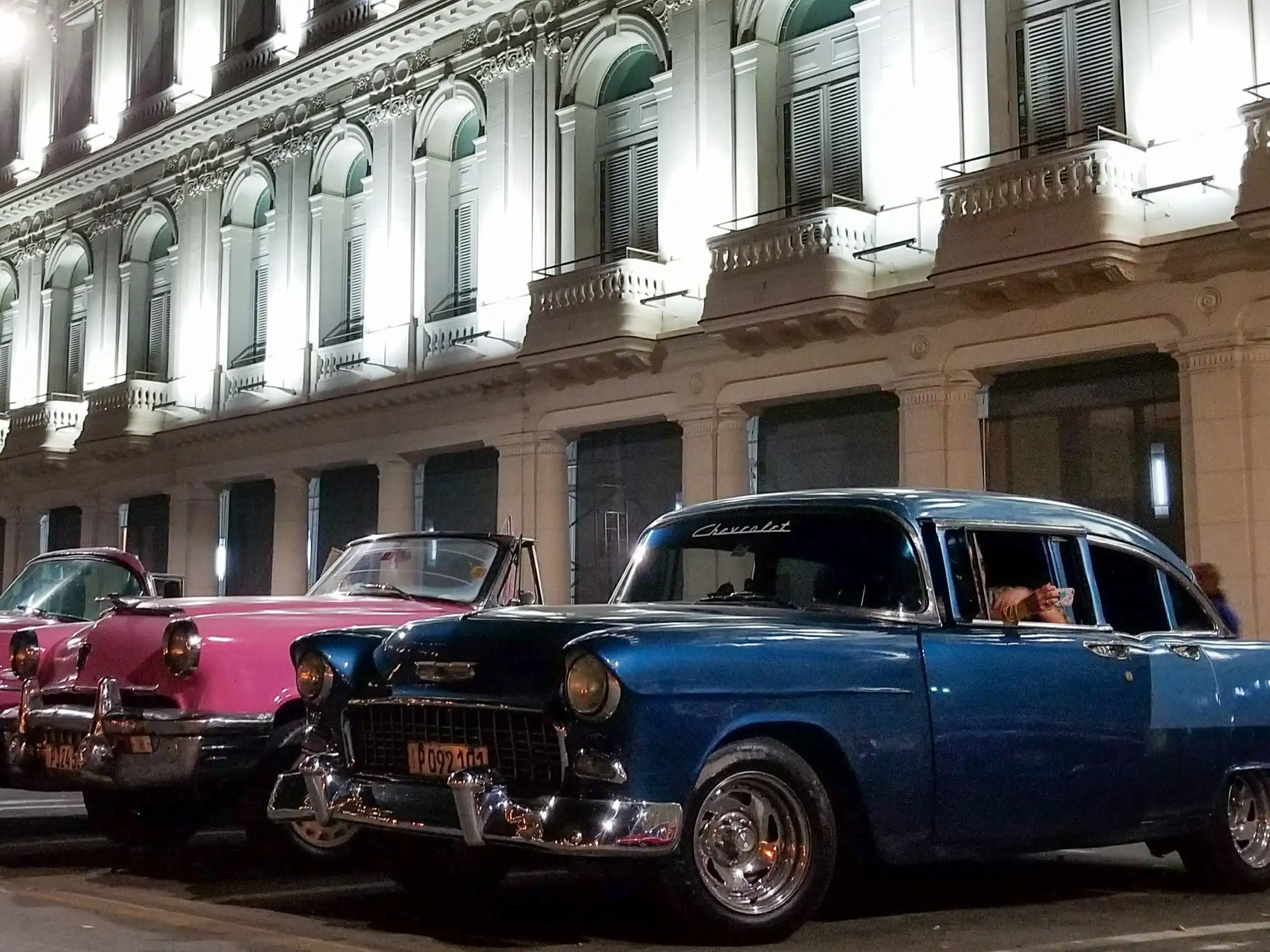
The large bronze monument to Ernesto 'Che' Guevara in Revolution Square (Plaza de la Revolución), alongside the famous steel outline portrait of Che on the Interior Ministry building, is one of Havana's most recognizable images. Plaza de la Revolución is where Cuba's largest political rallies and historic speeches took place — including several by Fidel Castro. The square is vast and the Ministry buildings with their iconic metal portraits of Che and Camilo Cienfuegos are best photographed from across the plaza. Take a classic car to get there — it's the appropriate way to arrive.
Havana Club Bar
The Havana Club rum brand is Cuba's most famous export and the bar in Old Havana is a natural stop — a lively, well-designed bar serving Havana Club cocktails (daiquiris, mojitos, Cuba libres) in a setting that captures the spirit of classic Havana cocktail culture. Good for an evening drink even without visiting the museum. The Havana Club Museum of Rum (adjacent) covers the history of Cuban rum production — worth a visit if rum history interests you; optional otherwise.
Live Music — Everywhere, All the Time
Havana has more live music per square kilometer than almost any city in the world. Son, salsa, bolero, and Afro-Cuban jazz spill out of every bar, restaurant, and plaza throughout the day and night. Casa de la Música (Galiano, Miramar) and La Bodeguita del Medio (Hemingway's famous mojito bar, now very touristy but historically significant) are the well-known venues. But the most authentic music is often found by simply following the sound — a trio playing son in a doorway, a rumba circle forming in a plaza, a salsa band warming up in an open-air bar.